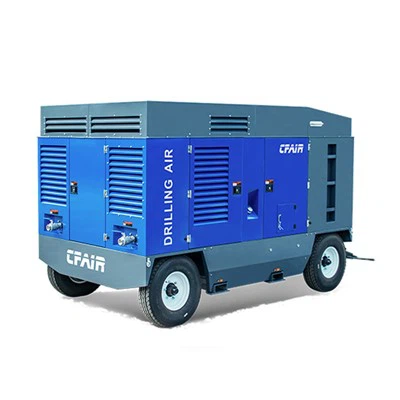
As a supplier of box air compressors, I've witnessed firsthand the crucial role that regulators play in the functionality and efficiency of these machines. In this blog post, I'll delve into the significance of regulators in box air compressors, exploring their functions, benefits, and impact on overall performance.
Understanding the Basics of Box Air Compressors
Before we dive into the role of regulators, let's briefly review what box air compressors are and how they work. Box air compressors are compact, enclosed units that compress air and store it in a tank for later use. They are commonly used in a variety of applications, including industrial, commercial, and residential settings. These compressors come in different sizes and configurations, offering varying levels of air pressure and volume to meet specific needs.
What is a Regulator in a Box Air Compressor?
A regulator is a device that controls the pressure of the compressed air output from the compressor. It acts as a valve, adjusting the flow of air to maintain a consistent and safe pressure level. Regulators are typically installed between the compressor tank and the air tools or equipment that use the compressed air.
The Key Functions of a Regulator
- Pressure Control: The primary function of a regulator is to control the pressure of the compressed air. It ensures that the air pressure delivered to the tools or equipment remains within a safe and optimal range. This is important because different tools and applications require specific air pressures to operate effectively. For example, a paint sprayer may require a lower pressure than an impact wrench. By adjusting the regulator, you can customize the air pressure to suit the requirements of the task at hand.
- Safety: Regulators play a crucial role in ensuring the safety of the compressor and the users. They prevent over-pressurization, which can lead to equipment damage, leaks, or even explosions. By maintaining a stable pressure, regulators reduce the risk of accidents and protect both the compressor and the connected tools.
- Consistency: In addition to controlling pressure, regulators also help maintain a consistent flow of compressed air. This is essential for achieving uniform results in applications such as painting, sandblasting, and pneumatic tool operation. A consistent air flow ensures that the tools perform consistently, reducing the likelihood of uneven finishes or inconsistent performance.
- Equipment Protection: By regulating the air pressure, regulators help protect the tools and equipment connected to the compressor. High air pressure can cause premature wear and tear on tools, leading to increased maintenance costs and reduced lifespan. By providing a stable and controlled air supply, regulators extend the life of the tools and equipment, saving you money in the long run.
Benefits of Using a Regulator in a Box Air Compressor
- Improved Efficiency: By maintaining a consistent air pressure, regulators help optimize the performance of the compressor and the connected tools. This results in improved efficiency, reduced energy consumption, and faster completion of tasks. For example, a properly regulated air compressor can deliver the right amount of air pressure to a paint sprayer, ensuring a smooth and even finish while using less paint.
- Enhanced Tool Performance: Regulators allow you to fine-tune the air pressure to match the requirements of the tools. This enhances the performance of the tools, resulting in better quality work and increased productivity. For instance, a regulated air supply can improve the accuracy and power of an impact wrench, making it easier to tighten or loosen bolts.
- Versatility: With a regulator, you can use a single box air compressor for a variety of applications. By adjusting the air pressure, you can adapt the compressor to different tools and tasks, increasing its versatility and value. For example, you can use the same compressor for inflating tires, powering pneumatic tools, and operating a paint sprayer by simply adjusting the regulator.
- Safety and Reliability: As mentioned earlier, regulators are essential for ensuring the safety and reliability of the compressor and the connected tools. By preventing over-pressurization and maintaining a stable air flow, regulators reduce the risk of accidents and equipment failures. This gives you peace of mind knowing that your compressor and tools are operating safely and efficiently.
Types of Regulators
There are several types of regulators available for box air compressors, each with its own features and benefits. Some common types include:
- Single-Stage Regulators: Single-stage regulators are the most basic type of regulators. They reduce the high pressure from the compressor tank to a lower, usable pressure in a single step. These regulators are simple and cost-effective, but they may not provide as precise pressure control as multi-stage regulators.
- Two-Stage Regulators: Two-stage regulators offer more precise pressure control than single-stage regulators. They reduce the pressure in two steps, first reducing the high pressure from the tank to an intermediate pressure, and then further reducing it to the desired output pressure. This results in a more stable and consistent air flow, making them ideal for applications that require precise pressure control.
- Adjustable Regulators: Adjustable regulators allow you to manually adjust the output pressure to suit the specific requirements of your tools or equipment. They typically have a knob or dial that you can turn to increase or decrease the pressure. Adjustable regulators offer flexibility and versatility, making them a popular choice for a wide range of applications.
- Automatic Regulators: Automatic regulators are designed to maintain a constant output pressure regardless of changes in the input pressure or flow rate. They use sensors and valves to automatically adjust the pressure as needed, ensuring a consistent and reliable air supply. Automatic regulators are often used in industrial applications where precise pressure control is critical.
Choosing the Right Regulator for Your Box Air Compressor
When choosing a regulator for your box air compressor, there are several factors to consider:
- Pressure Range: Make sure the regulator can handle the maximum pressure output of your compressor. Check the specifications of the regulator to ensure that it has a pressure range that is suitable for your needs.
- Flow Rate: Consider the flow rate requirements of your tools or equipment. The regulator should be able to deliver the required amount of air at the desired pressure. Check the flow rate specifications of the regulator to ensure that it can meet your needs.
- Accuracy: If you require precise pressure control, choose a regulator with high accuracy. Look for regulators that have a low pressure drop and a stable output pressure.
- Durability: Choose a regulator that is made from high-quality materials and is built to last. Look for regulators that are corrosion-resistant and have a long service life.
- Compatibility: Make sure the regulator is compatible with your box air compressor. Check the connection size and type to ensure that it will fit properly.
Conclusion
In conclusion, regulators play a vital role in the performance, safety, and efficiency of box air compressors. They control the pressure of the compressed air, ensuring that it remains within a safe and optimal range. By providing consistent air flow, regulators enhance the performance of the tools and equipment connected to the compressor, resulting in better quality work and increased productivity. When choosing a regulator, consider the pressure range, flow rate, accuracy, durability, and compatibility with your compressor. By selecting the right regulator, you can ensure that your box air compressor operates safely and efficiently, providing you with reliable performance for years to come.


If you're in the market for a box air compressor or need a regulator for your existing compressor, we're here to help. We offer a wide range of Drill Compressor, Stationary Gas Air Compressors, and Skid Mounted Diesel Air Compressor to meet your specific needs. Contact us today to discuss your requirements and explore our product offerings. We look forward to working with you!
References
- Compressed Air and Gas Handbook, by ASME Press
- Pneumatic Systems Design and Troubleshooting, by Peter Nachtwey