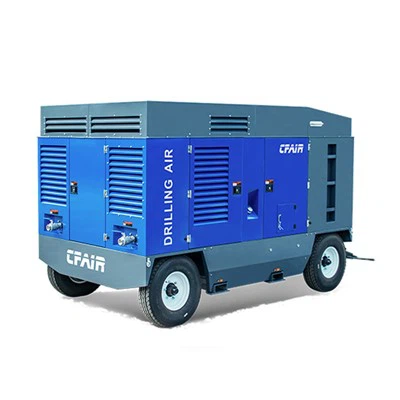
Hey there! As a supplier of Diesel Driven Compressors, I've seen my fair share of issues with these machines not starting. It can be a real headache, especially when you're in the middle of an important job. But don't worry, I'm here to help you troubleshoot the problem step by step.
1. Check the Basics
First things first, you gotta make sure the compressor has all the essentials. Let's start with the fuel. Diesel is the lifeblood of these machines, so check the fuel tank. Sometimes, it's just a simple oversight, and you might be running on empty. Make sure the fuel valve is open too. It sounds obvious, but you'd be surprised how often this gets overlooked.
Next, take a look at the oil level. Low oil can cause all sorts of problems, and it might prevent the engine from starting. Refer to the user manual to find the correct oil level and top it up if needed.
Also, check the battery. A dead or weak battery won't give the engine the juice it needs to start. Look at the battery terminals for any signs of corrosion. If you see a white, powdery substance on the terminals, clean it off with a wire brush and some baking soda mixed with water. Then, make sure the terminals are tight. You can use a multimeter to check the battery voltage. A fully charged 12 - volt battery should read around 12.6 volts. If it's significantly lower, you might need to charge or replace the battery.
2. Inspect the Air Intake System
The air intake system plays a crucial role in the combustion process. A clogged air filter can restrict the amount of air entering the engine, which can lead to starting problems. Remove the air filter and visually inspect it. If it's dirty or clogged with debris, it's time to replace it. You can find replacement air filters specifically designed for your Diesel Driven Compressor model.
While you're at it, check the air intake ducts for any blockages. Sometimes, leaves, dirt, or other foreign objects can get stuck in the ducts, preventing proper air flow. Clear any obstructions you find to ensure the engine gets enough air.
3. Examine the Fuel System
The fuel system is another area where problems can occur. Start by checking the fuel lines for any signs of leaks. Look for wet spots or puddles of diesel around the fuel lines. A leak can cause a loss of fuel pressure, making it difficult for the engine to start. If you find a leak, you'll need to repair or replace the damaged fuel line.
The fuel injection pump is also a critical component. Over time, it can wear out or develop problems. If the fuel injection pump isn't delivering the right amount of fuel at the correct pressure, the engine won't start. You might need to have a professional mechanic test and, if necessary, repair or replace the fuel injection pump.
The fuel injectors are responsible for spraying the fuel into the combustion chamber. Clogged or faulty fuel injectors can prevent proper fuel atomization, leading to starting issues. You can try using a fuel injector cleaner to clean them. However, if the problem persists, you may need to have the injectors professionally cleaned or replaced.
4. Check the Glow Plugs
In colder weather, glow plugs are essential for starting a diesel engine. They heat up the combustion chamber to help the diesel fuel ignite. If the glow plugs are faulty, the engine may have trouble starting, especially in cold conditions. You can test the glow plugs with a multimeter. Remove the glow plug and check its resistance. If the resistance is outside the specified range, the glow plug needs to be replaced.
5. Look at the Starter Motor
The starter motor is what cranks the engine to start it. If the starter motor isn't working properly, the engine won't turn over. Listen for a clicking sound when you try to start the compressor. A single click usually indicates a problem with the starter solenoid, which is responsible for engaging the starter motor. You might be able to tap the starter solenoid gently with a hammer to see if it starts working. If that doesn't work, you may need to replace the solenoid or the entire starter motor.


If you hear a grinding noise when you try to start the engine, it could mean that the starter motor's gears are worn out or not engaging properly. In this case, you'll need to have the starter motor inspected and repaired or replaced.
6. Consider the Engine Control Unit (ECU)
The Engine Control Unit is like the brain of the compressor. It controls various functions, including the fuel injection, ignition timing, and other engine parameters. If the ECU malfunctions, it can cause starting problems. Sometimes, a simple software glitch can be resolved by resetting the ECU. Refer to the user manual for instructions on how to reset the ECU for your specific compressor model.
However, if the ECU has a hardware problem, it will likely need to be replaced. This is a more complex repair that may require the expertise of a professional technician.
When to Seek Professional Help
If you've gone through all these troubleshooting steps and the compressor still won't start, it's time to call in the pros. A professional mechanic who specializes in Diesel Driven Compressors will have the tools and expertise to diagnose and fix the problem. They can perform more advanced tests, such as engine compression tests, to determine the root cause of the issue.
Related Products
If you're in the market for a new compressor or need a replacement part, we offer a range of high - quality products. Check out our Compressor for Blasting, Mobile Air Compressor, and Quiet Portable Air Compressor. These compressors are built to last and can meet your specific needs.
Contact Us for Purchase
If you're interested in purchasing a Diesel Driven Compressor or need further assistance with troubleshooting or repairs, don't hesitate to get in touch. We're here to help you find the right solution for your business.
References
- Diesel Engine Handbook, Various authors
- Compressor Maintenance Manuals from leading manufacturers